NEW ARRIVALS
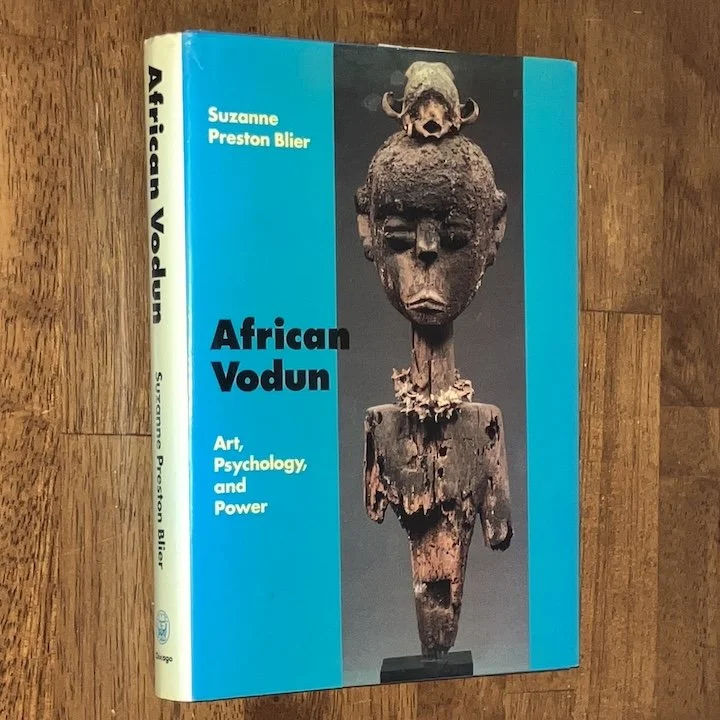
[BLIER, Suzanne Preston] African Vodun. Art, Psychology, and Power
[BLIER, Suzanne Preston] African Vodun. Art, Psychology, and Power
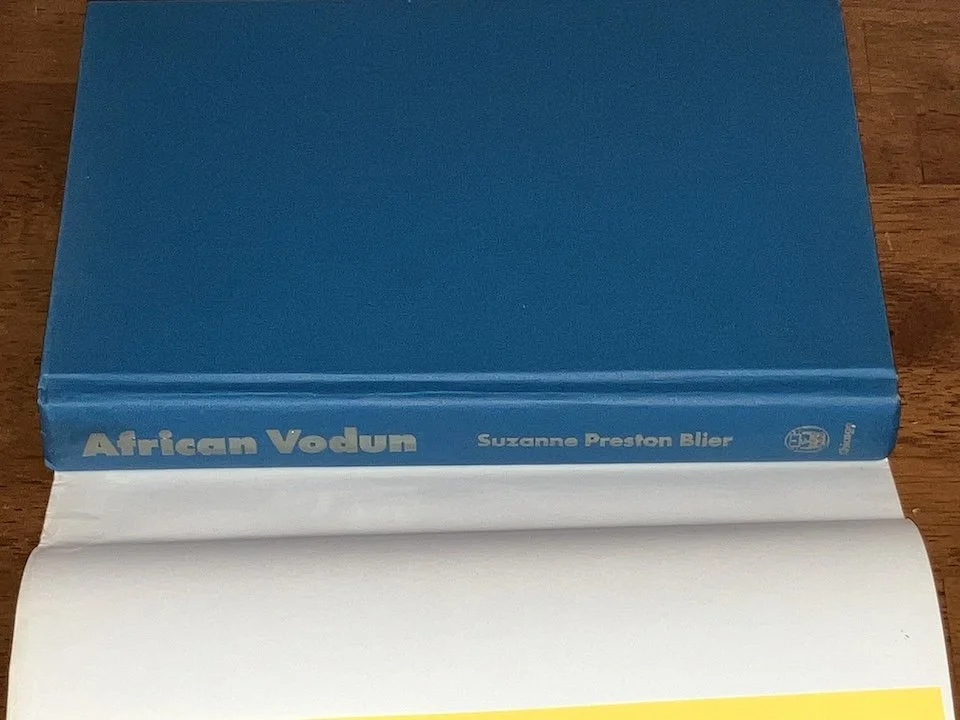
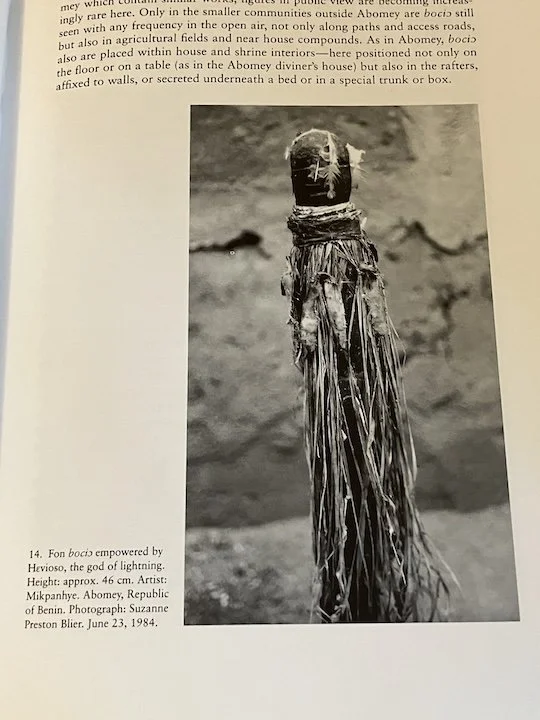
Chicago and London: University of Chicago Press, 1995. First Edition. Hardcover. Quarto. xi + 476 pp. Blue cloth with silver spine titles. Illustrated with color plates and b&w photographs. Small bump to lower spine. A couple of corner bumps otherwise a near fine copy in like dust jacket. Scarce.
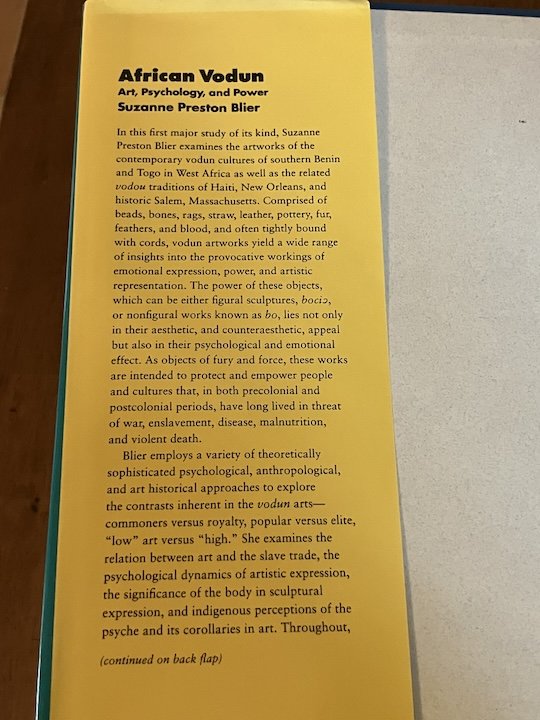
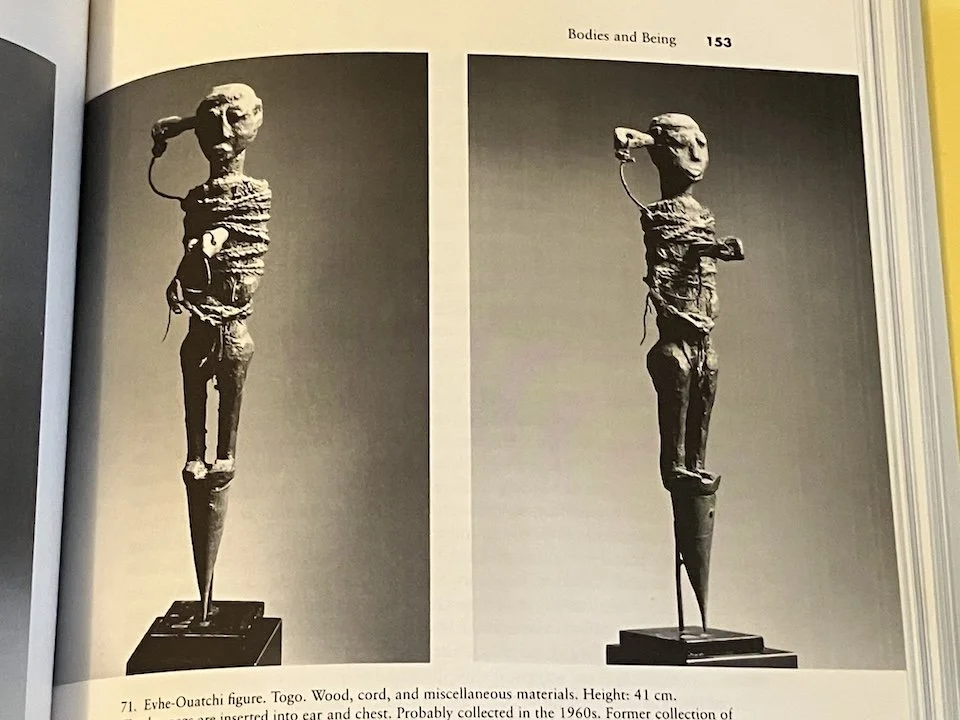
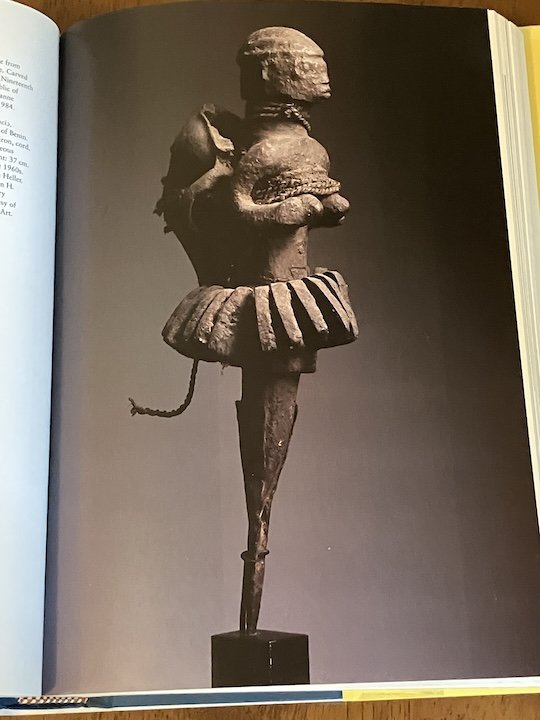
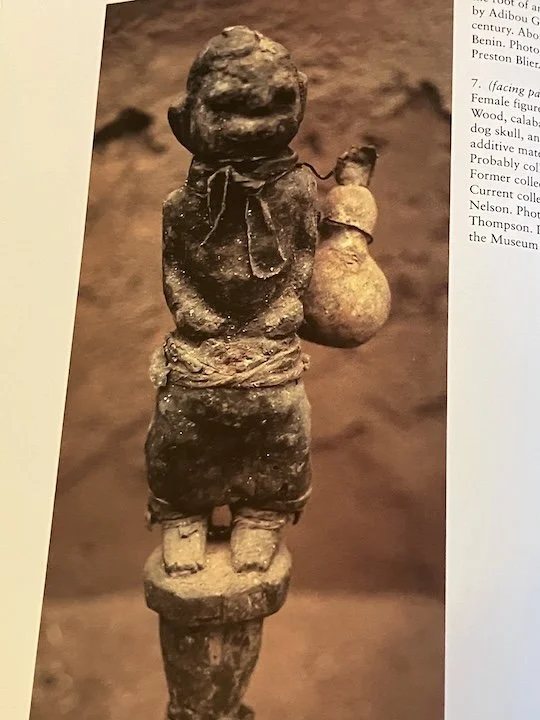
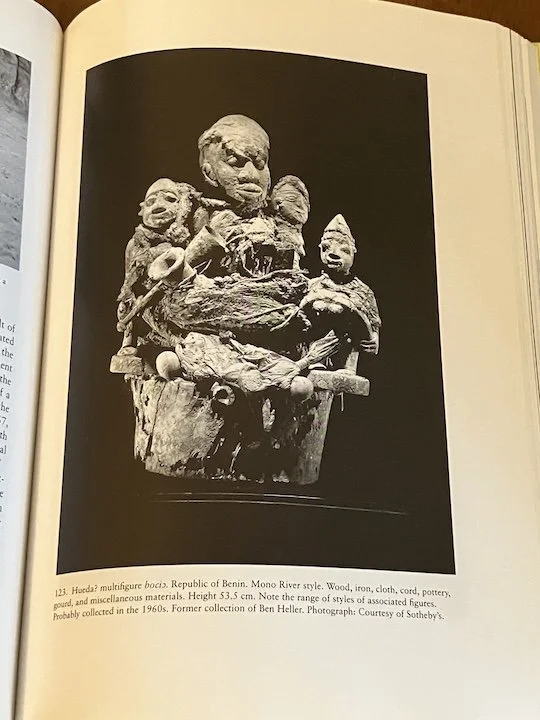
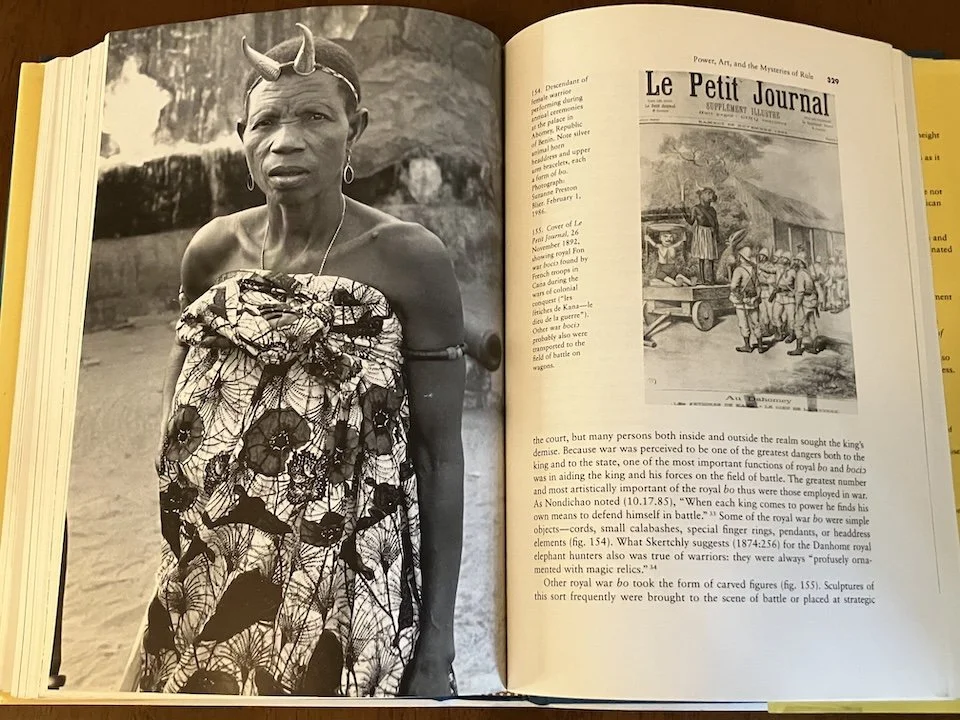
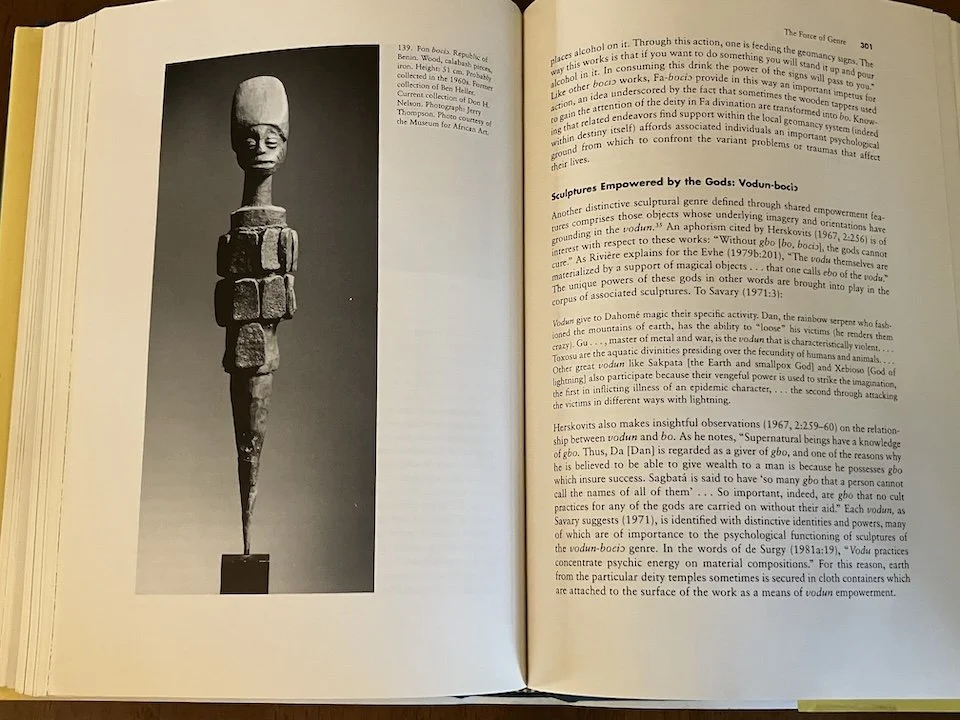
Beads, bones, rags, straw, leather, pottery, fur, feathers and blood—these are the raw materials of vodun artworks. The power of these images lies not only in their aesthetic, and counter-aesthetic, appeal but also in their psychological and emotional effect. As objects of fury and force, these works are intended to protect and empower people and cultures that have long been oppressed.
In this first major study of its kind, Suzanne Preston Blier examines the artworks of the contemporary vodun cultures of southern Benin and Togo in West Africa as well as the related voudou traditions of Haiti, New Orleans, and historic Salem, Massachusetts. Blier employs a variety of theoretically sophisticated psychological, anthropological, and art historical approaches to explore the contrasts inherent in the vodun arts—commoners versus royalty, popular versus elite, "low" art versus "high." She examines the relation between art and the slave trade, the psychological dynamics of artistic expression, the significance of the body in sculptural expression, and indigenous perceptions of the psyche.