NEW ARRIVALS
Magick, Grimoires, Alchemy, Hermetica, and more
[ASHMOLE, Elias (faithfully collected and annotated by)] Theatrum Chemicum Britannicum (Bound in Full Tanned Goat)
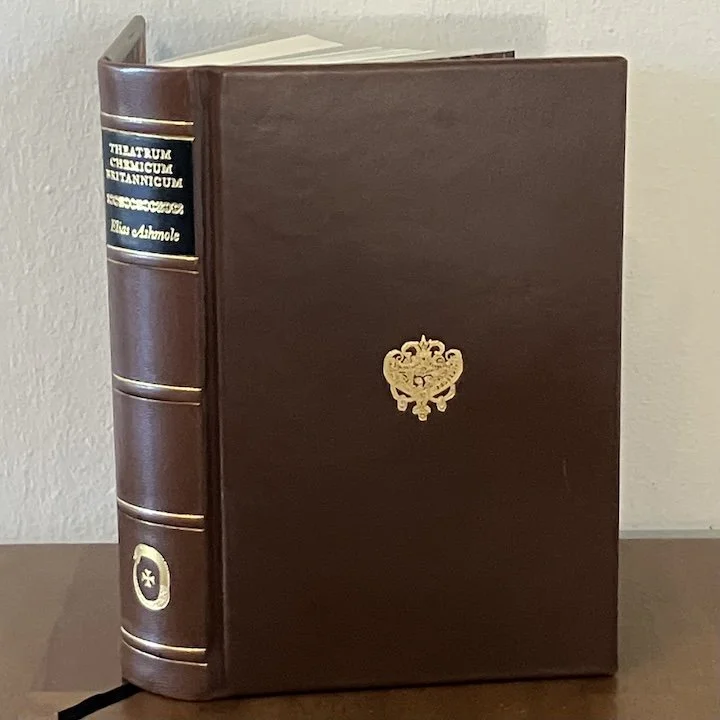
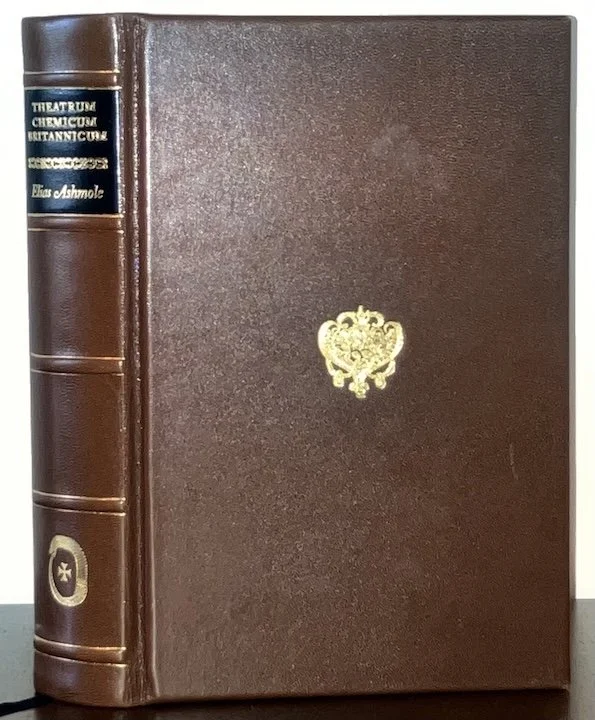
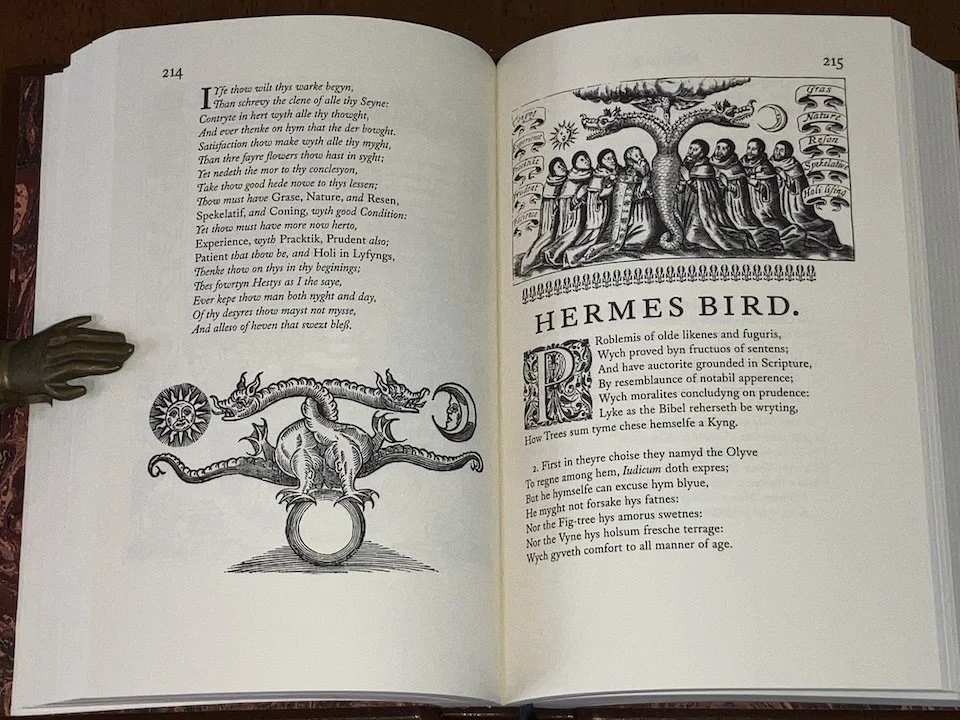
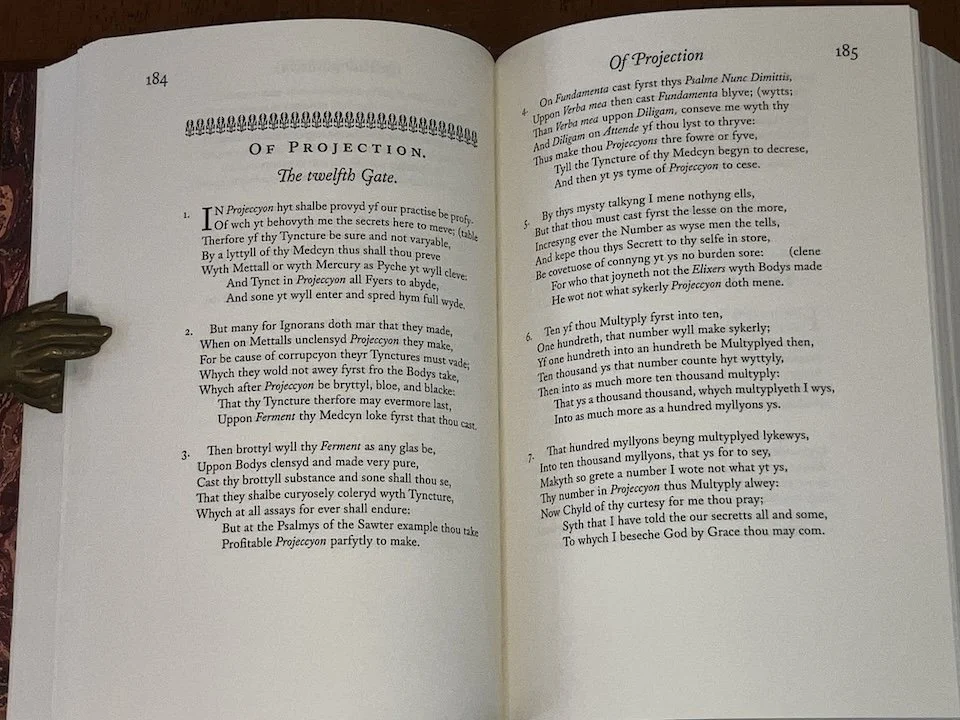
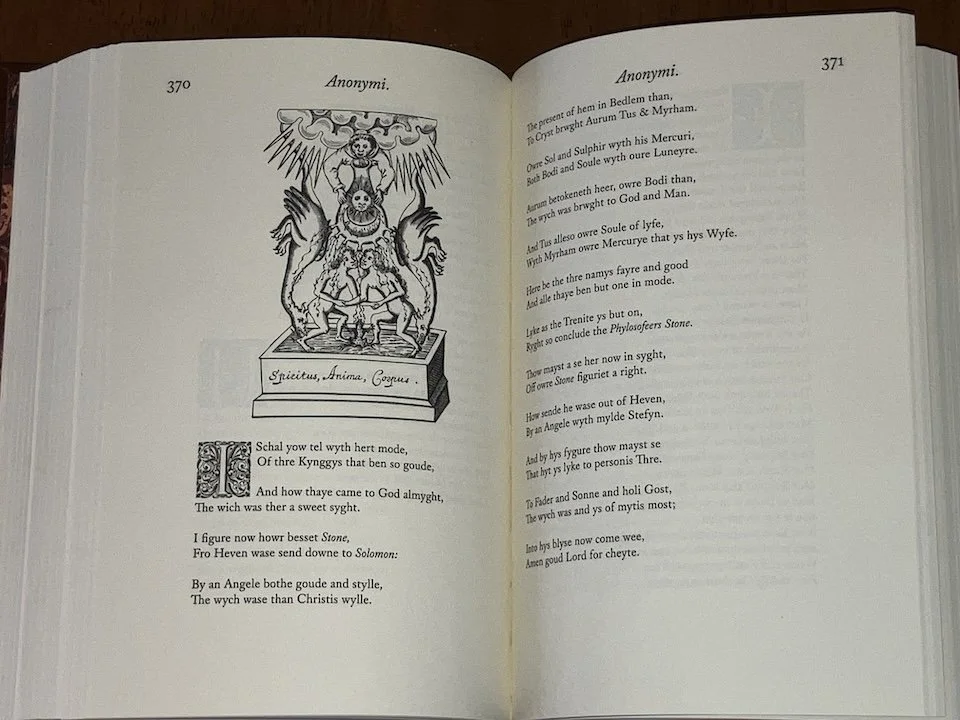
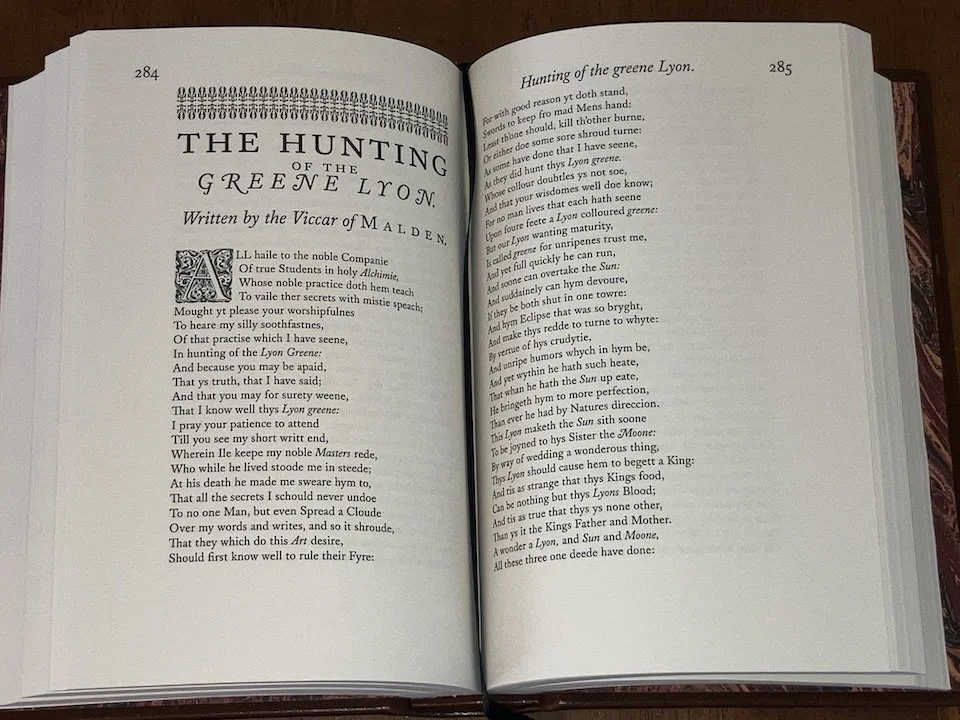
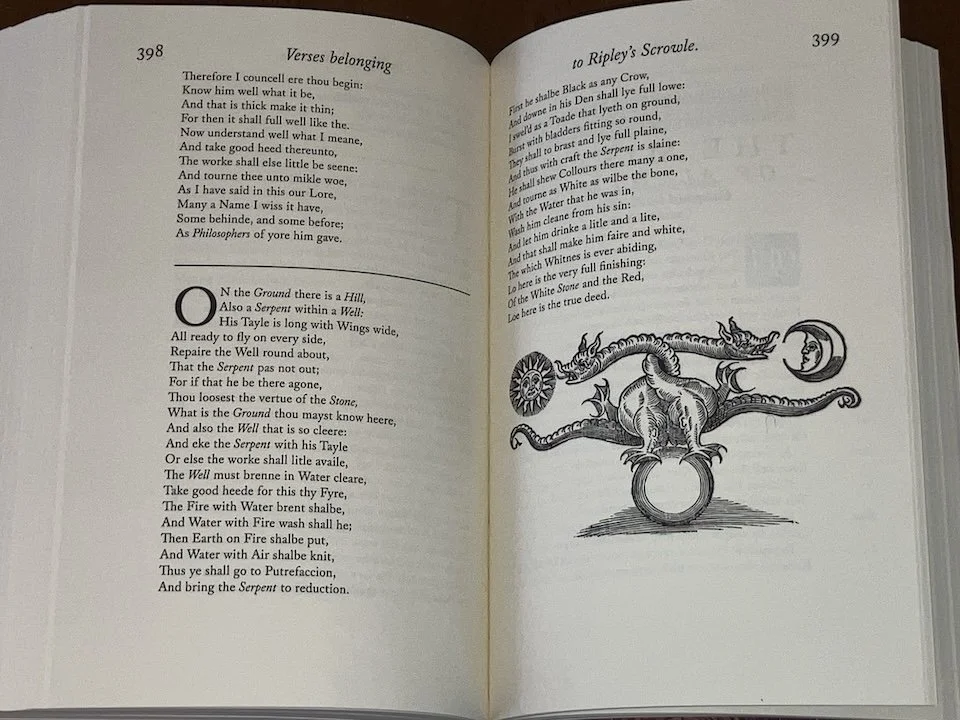
[ASHMOLE, Elias (faithfully collected and annotated by)] Theatrum Chemicum Britannicum (Bound in Full Tanned Goat)
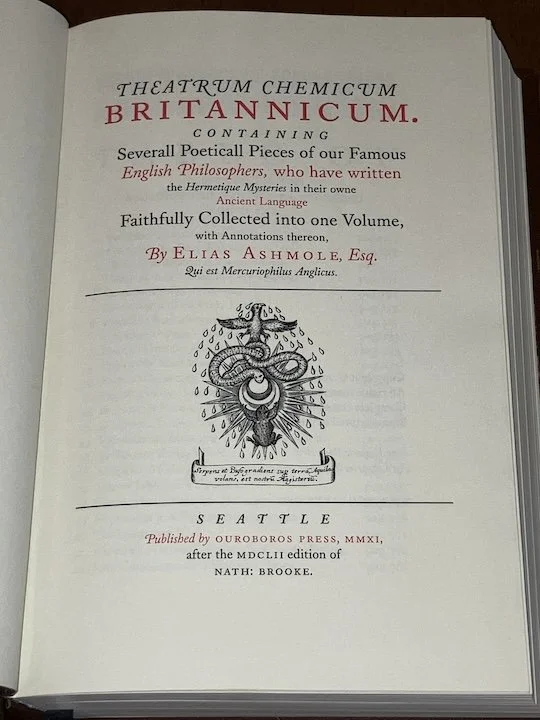
Full title: Theatrum Chemicum Britannicum: Containing Severall Poeticall Pieces of our Famous English Philosophers, who have written the Hermetique Mysteries in their owne Ancient Language
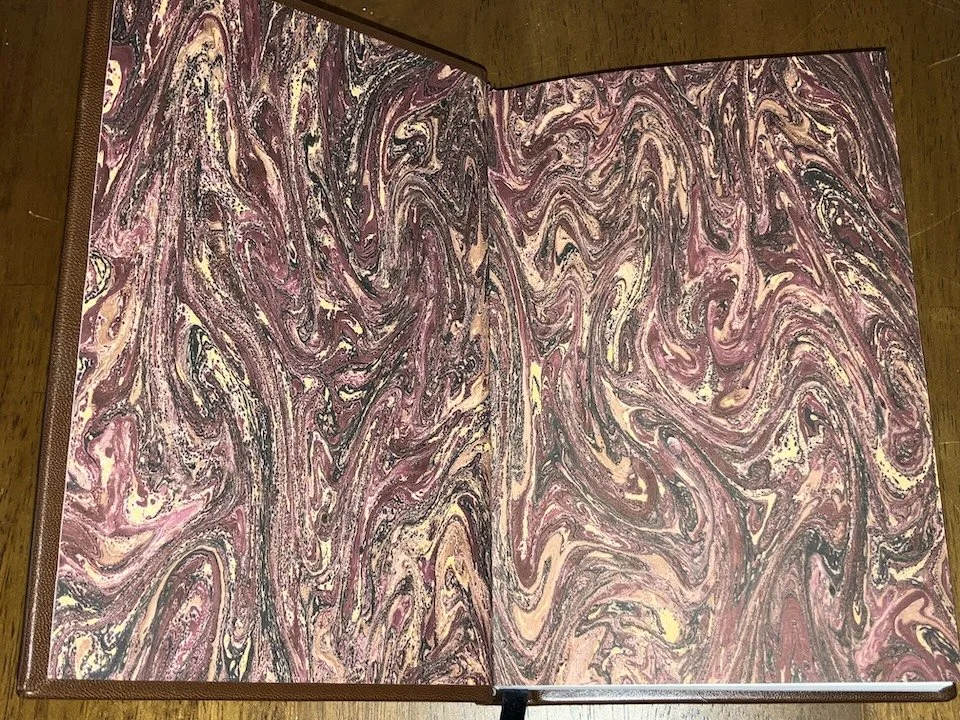
Seattle: Ouroboros Press, 2011. First Edition Thus. (published after the MDCLII edition of Nath: Brooke). Hardcover. Stout Octavo, 6 x 9 inches. 528 pages. Bound in full tanned goat with gilt-stamped spine bands and central ‘grotesque’ ornament to boards. Ebony and gilt leather spine label, silk bookmark and hand-marbled endpapers. Limited to 200 copies only. Primary Typeface: Williams Caslon Text. Rubricated title page in red and black ink. Illustrated with alchemical engravings, ornamental grotesques, dragons, trees, and fleurons. Includes an 11 x 14 folding plate titled George Ripley’s Wheel. Includes a bibliography & table of obscure words. A fine copy.
The Theatrum Chemicum Britannicum is a major collection of English alchemical texts which encapsulate the arcana of the Magnum Opus in poetic form. Originally gathered by Elias Ashmole from several rare medieval manuscripts, the text represents the largest collection of verse concerning the production of the Philosopher’s Stone to be brought together in one volume. This complete edition of the Theatrum Chemicum Britannicum goes beyond the mere reprinting of the original pages as past facsimiles have done. Using the original errata sheets provided by Ashmole, the entire text has been corrected and reset in a more readable typeface and features clear reproductions of the original engravings produced by Robert Vaughan. In addition, this edition features a more complete version of the Breviary of Natural Philosophy by Thomas Charnock by employing a complete manuscript of the text not available to Ashmole in 1652.