Occult & Esoterica
[WAITE, Arthur Edward; SMITH, Pamela Colman] The Tarot of A.E. Waite and P. Colman Smith (Boxed Edition with Large Book, Tarot Deck and facsimile volume of Waite's Key to the Tarot)
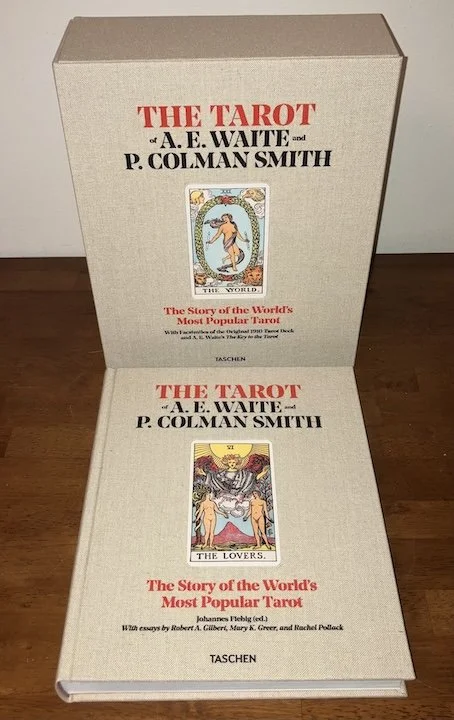
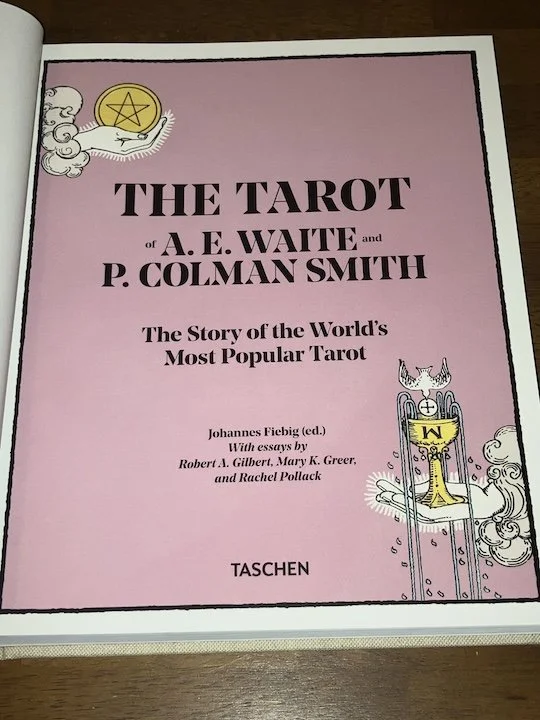
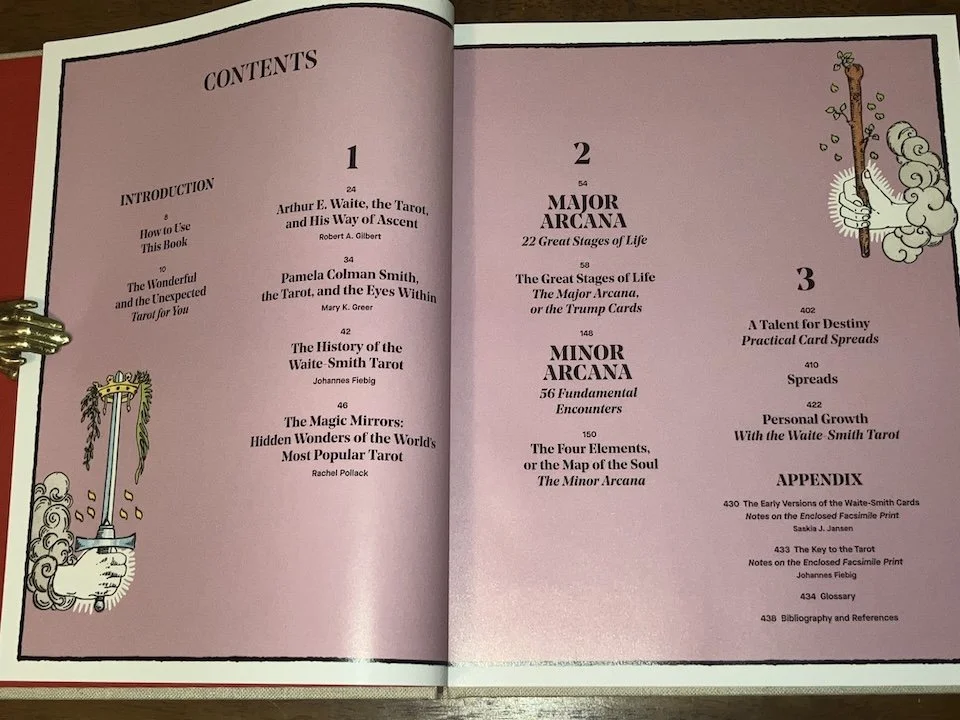
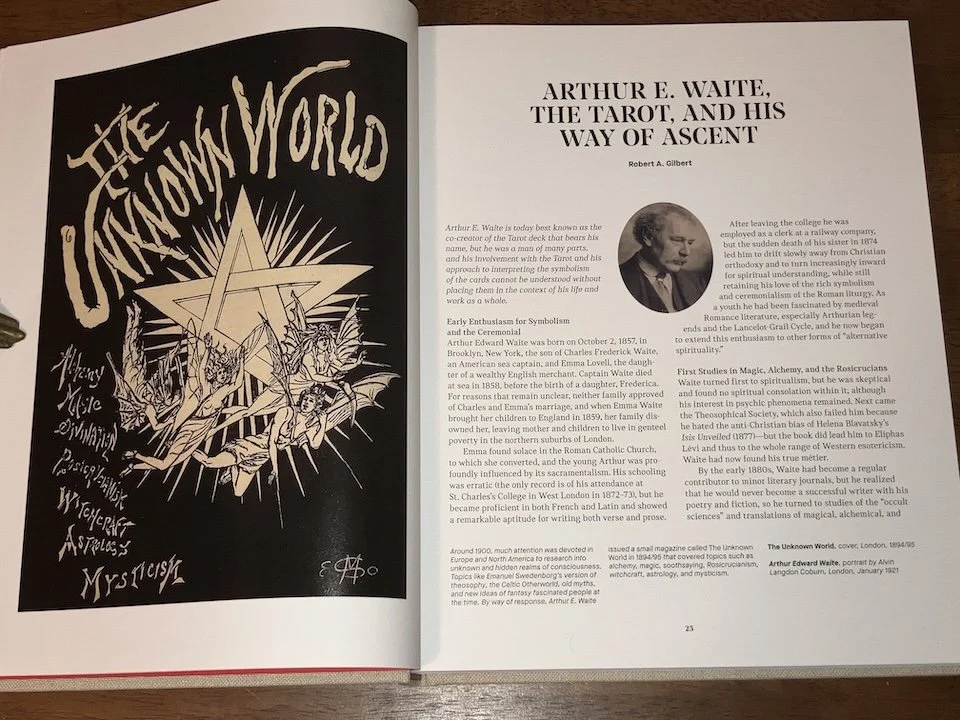
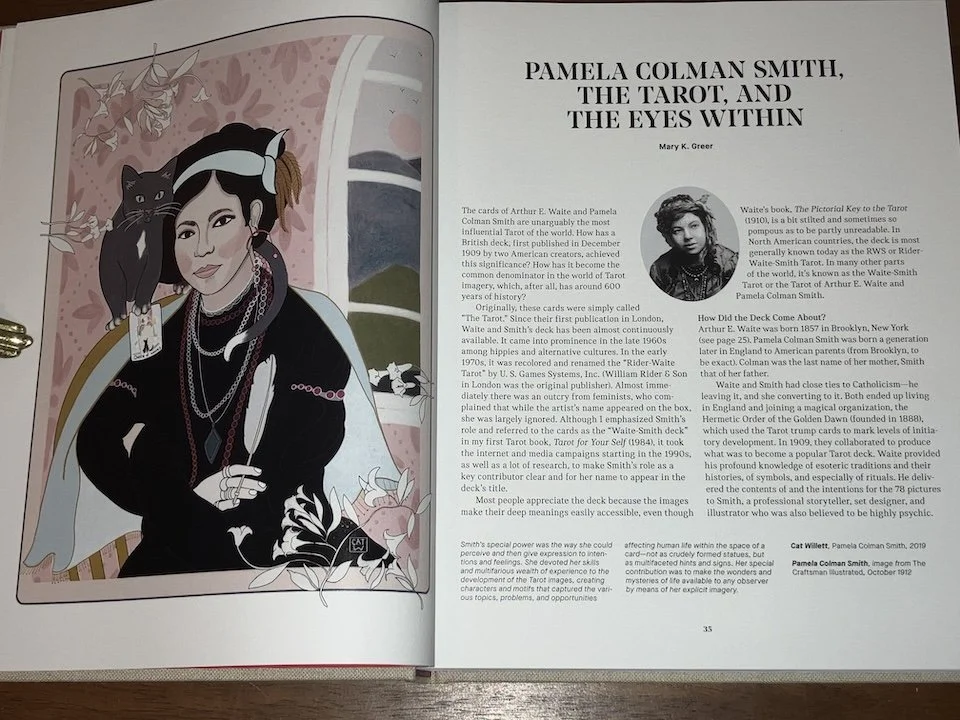
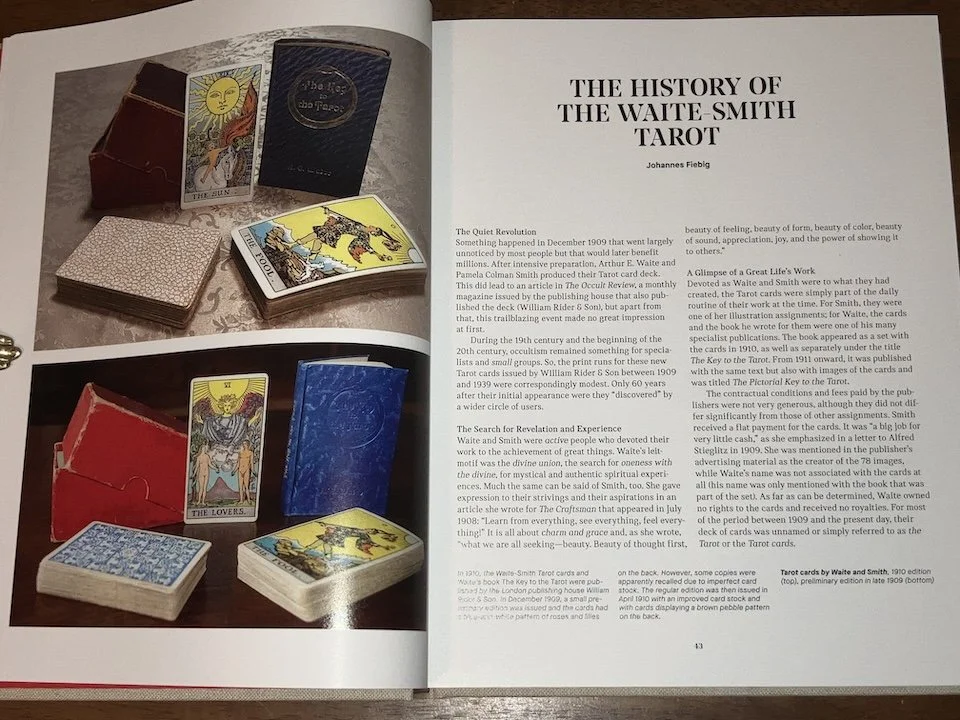
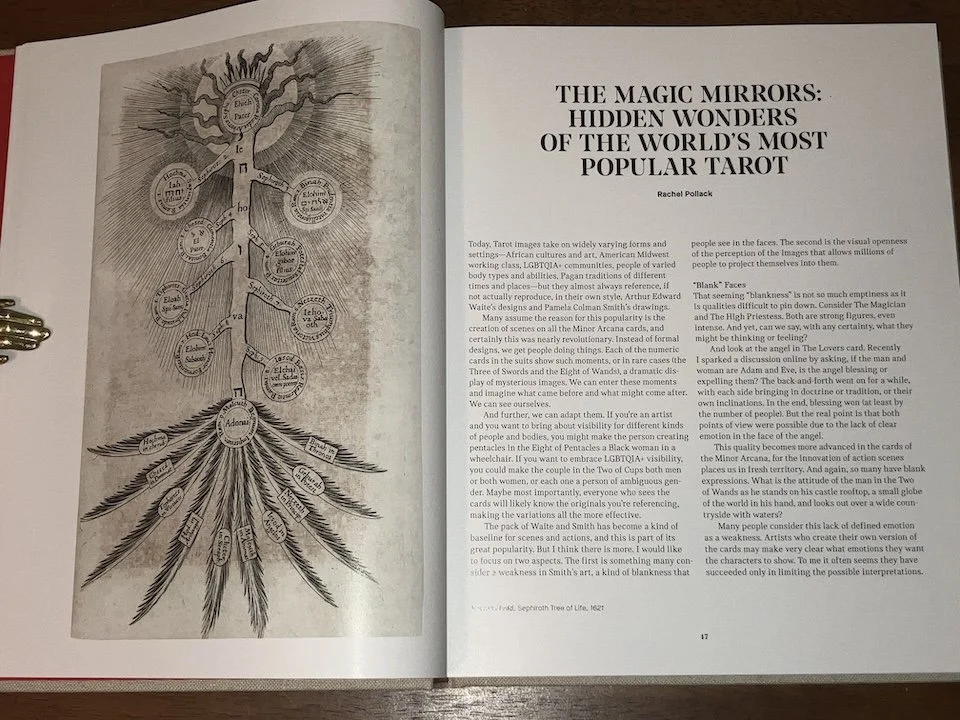
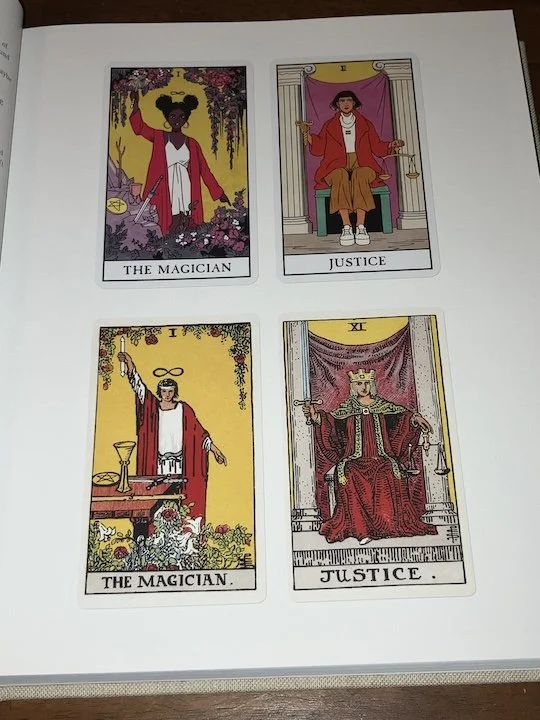
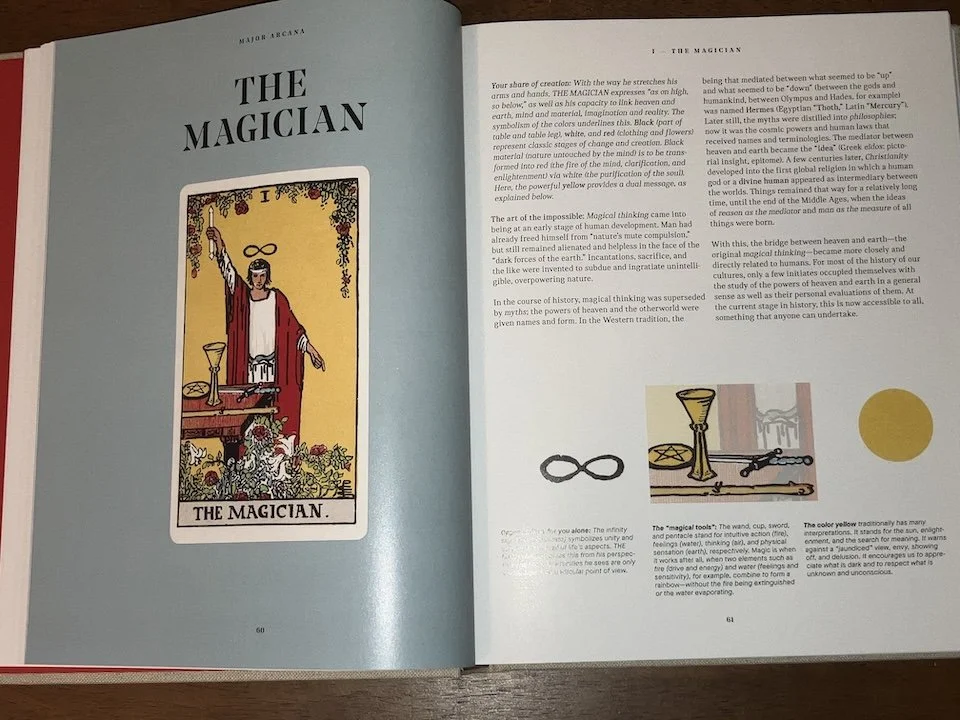
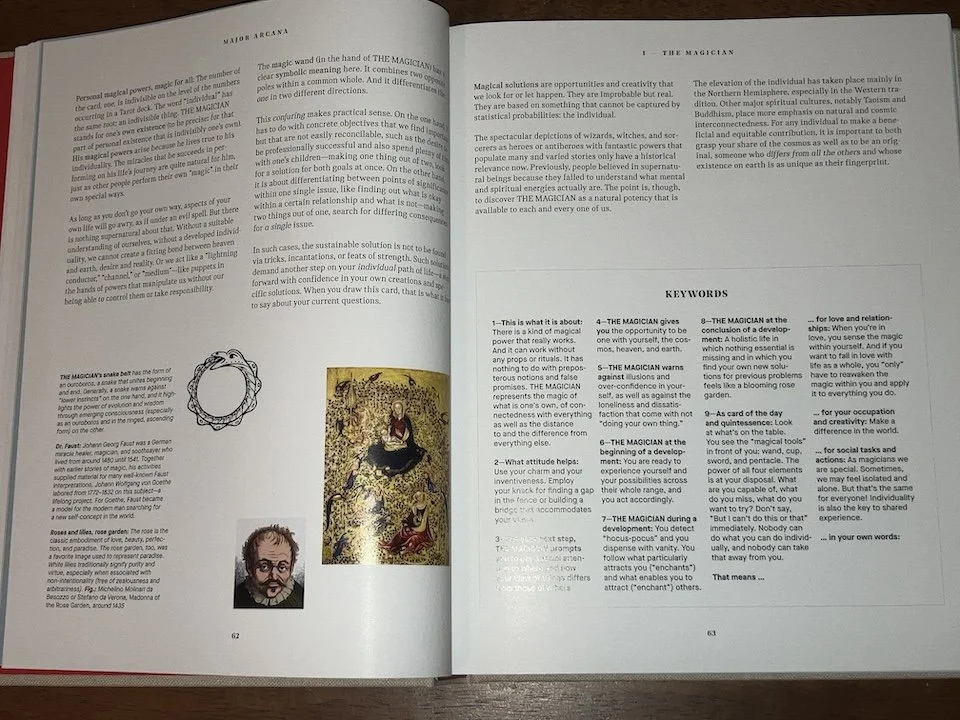
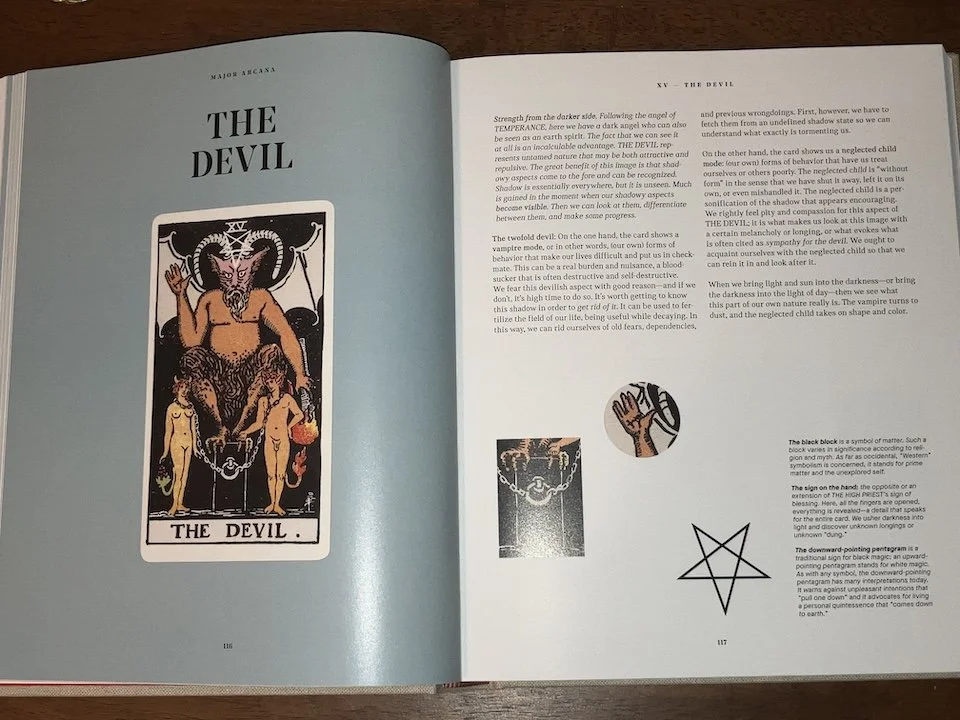
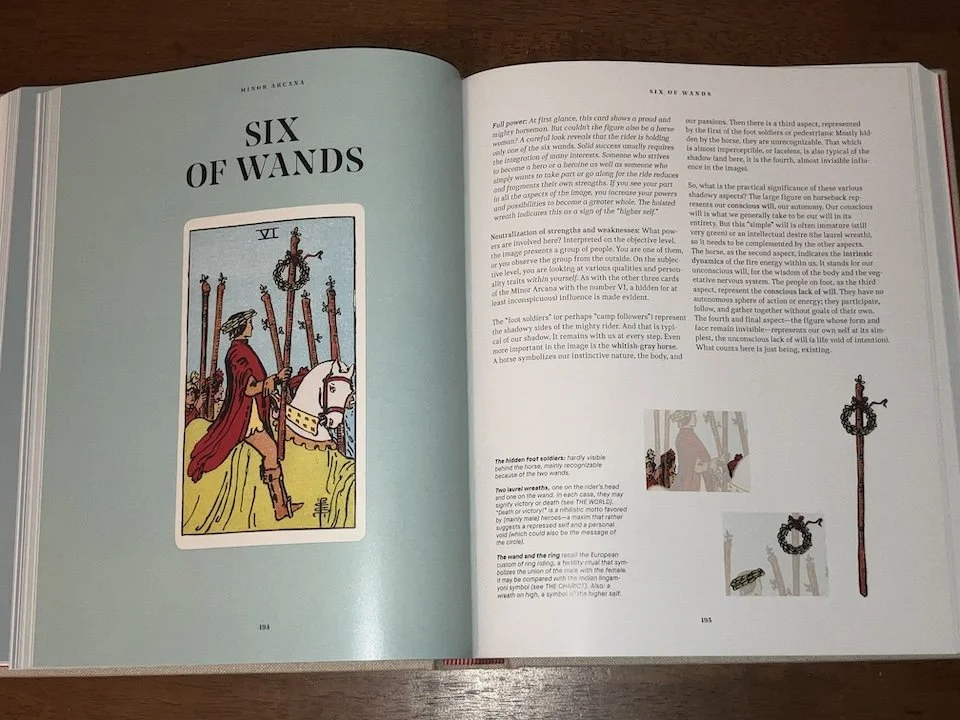
[WAITE, Arthur Edward; SMITH, Pamela Colman] The Tarot of A.E. Waite and P. Colman Smith (Boxed Edition with Large Book, Tarot Deck and facsimile volume of Waite's Key to the Tarot)
Edited by Johannes Fiebig, with essays by Mary K. Greer, Rachel Pollack, and Robert A. Gilbert
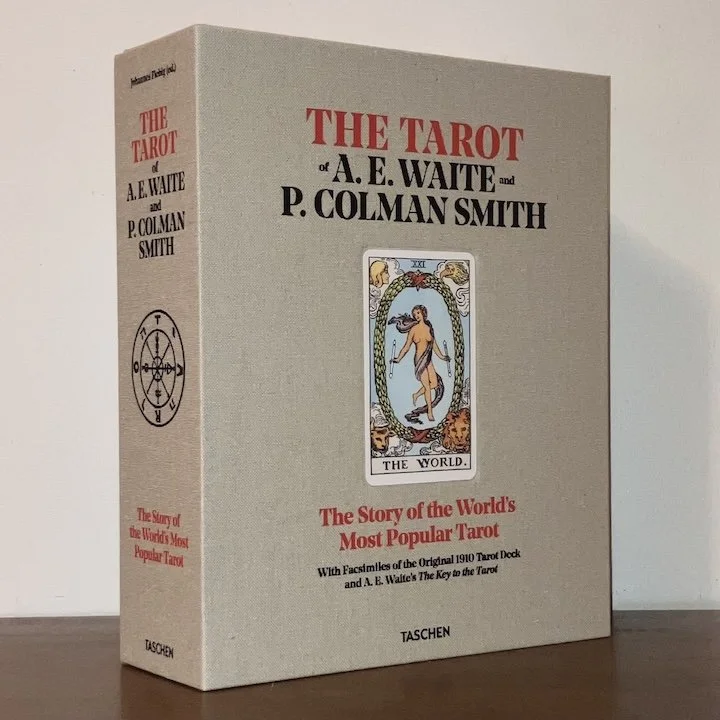
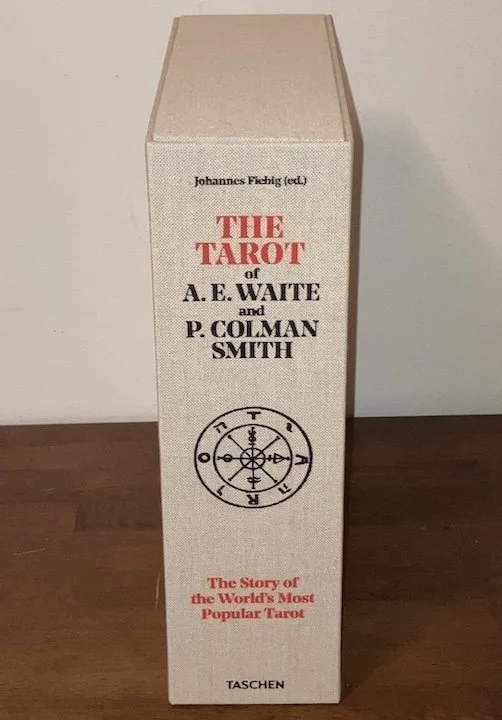
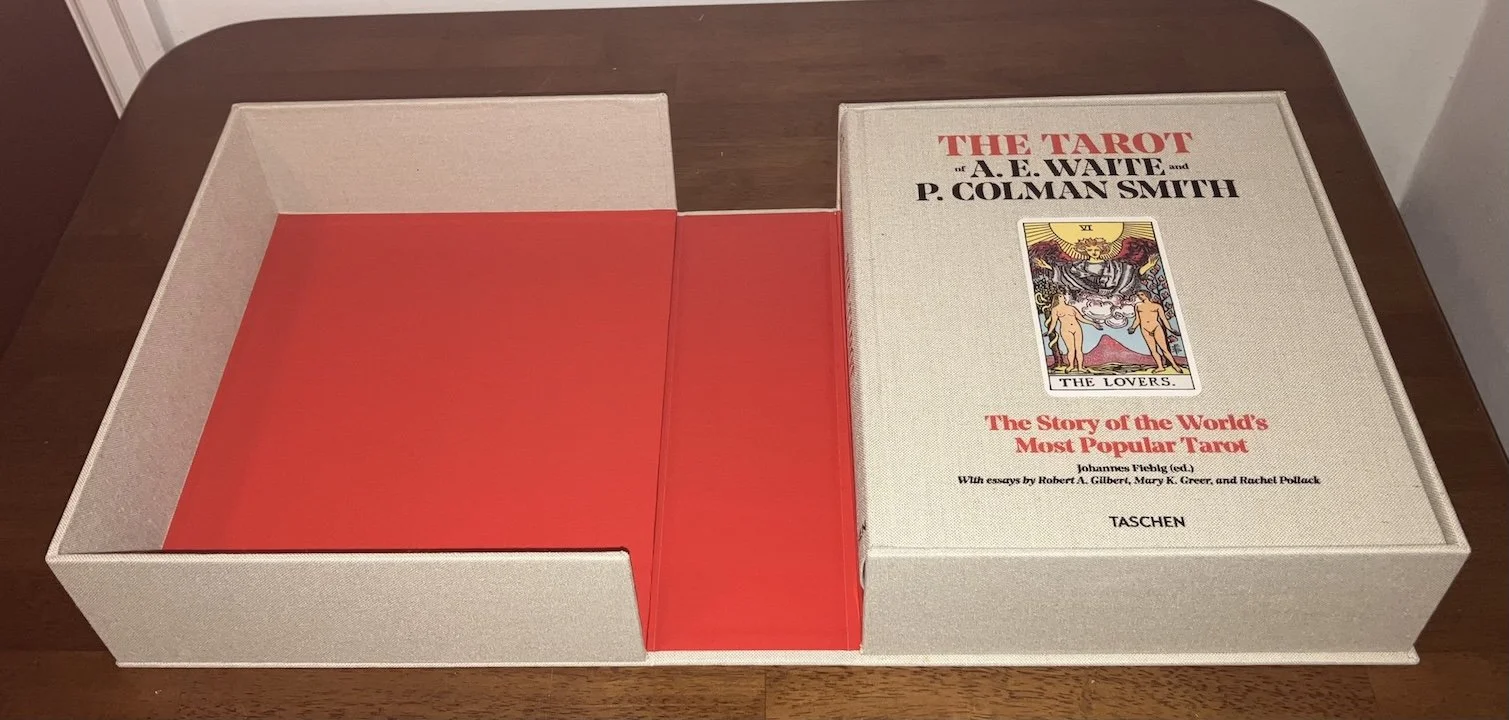
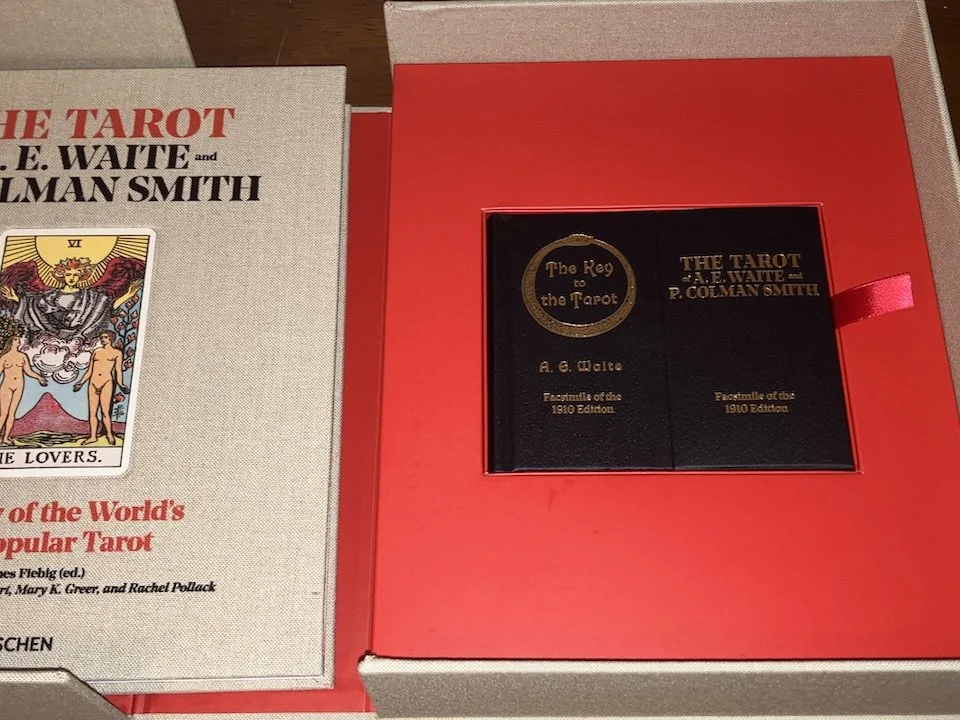
Cologne: Tascen, 2023. First Edition. Hardcover. Large quarto. 444 page book plus set of Tarot cards and small facsimile volume, all housed in a clamshell box. Main book is in oatmeal cloth with red and black titles to front and spine, and the Lovers card tipped onto front. It includes over 800 images, most of which are in color. The clamshell box has a similar design but with The World card tipped onto front, and a device on spine. Inside the clamshell is a compartment that holds the boxed tarot deck and the facsimile of Waite's Key to the Tarot (see photos). A fantastic production. All components in fine condition.
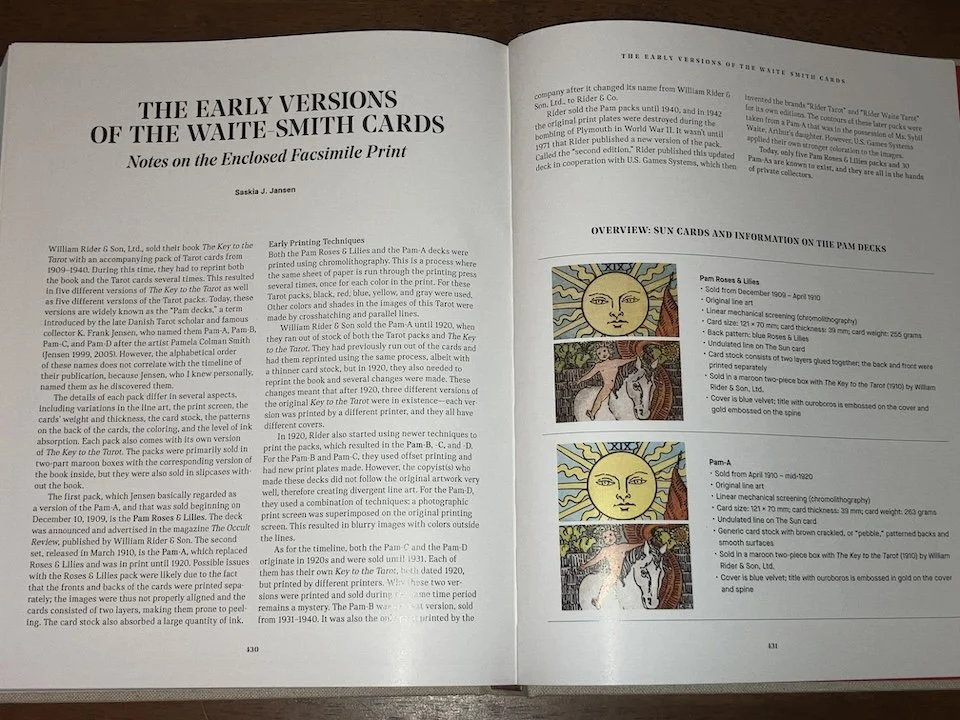
When Arthur E. Waite and Pamela Colman Smith developed their Tarot deck in London in 1909, nobody could have predicted that it would have an overwhelming renaissance starting around 60 years later. What were the lives, works, and passions of these creators like? Pamela Colman Smith and Arthur E. Waite are brought vividly back to life in essays by Mary K. Greer and Robert A. Gilbert.
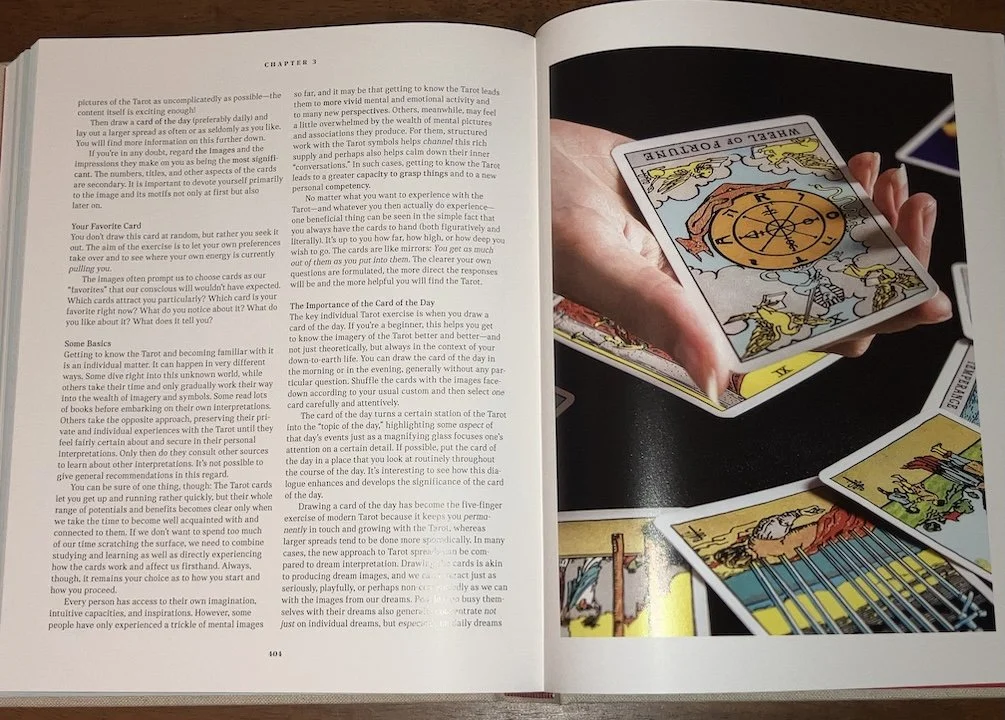
This valuable collector’s box includes a complete deck of the Waite Smith Tarot cards and Waite’s famous companion book The Key to the Tarot. In this illustrated book, with texts and images compiled by Johannes Fiebig, the Tarot cards become psychological mirrors and signposts leading toward new answers and personal solutions. The fact that this works well can be attributed to certain advantages inherent to the Waite-Smith cards, and these points are illuminated in an essay by Rachel Pollack.
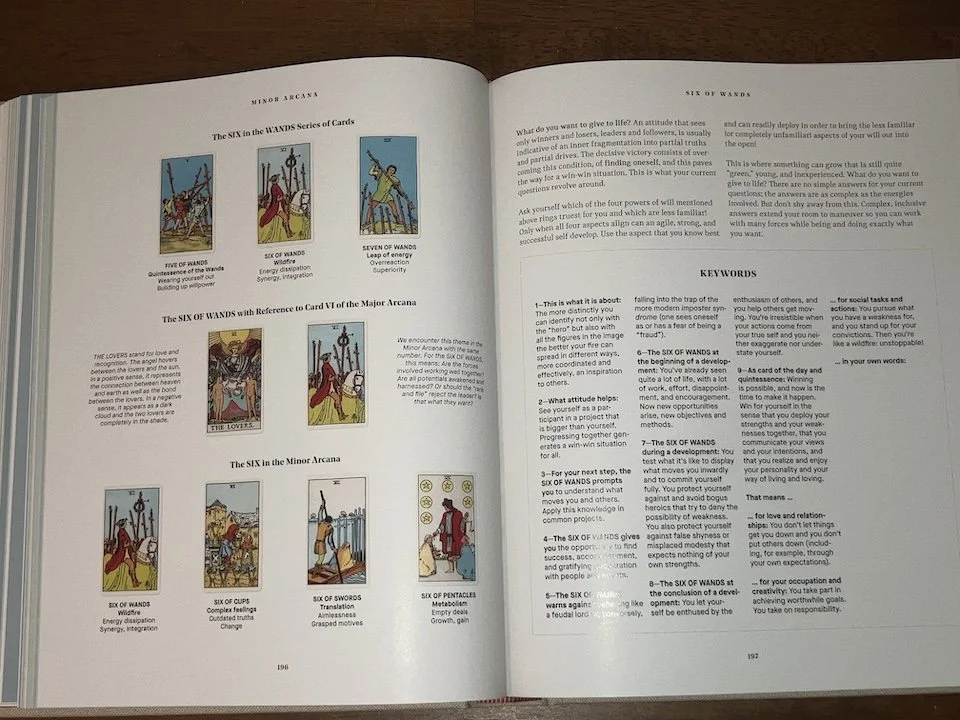
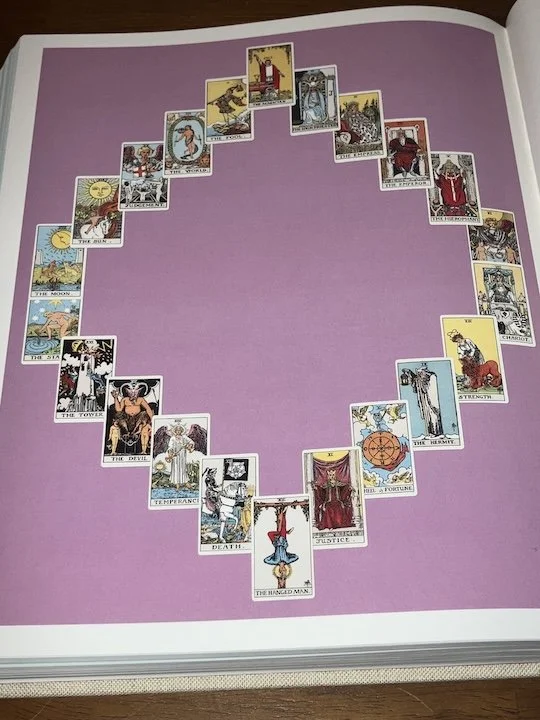
All 78 cards are presented individually and in detail. The explanatory texts provide several dimensions and levels of interpretation, including concrete practical tips. Further, the book offers a new feature: the quick check. This presents a concise hint regarding the meaning of each card in each possible position of all the spread patterns featured in the book.