Occult & Esoterica
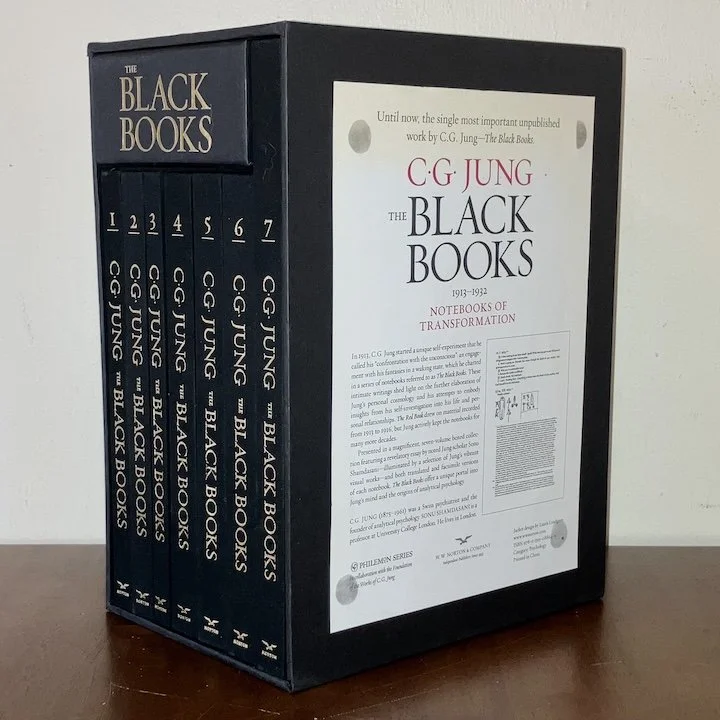
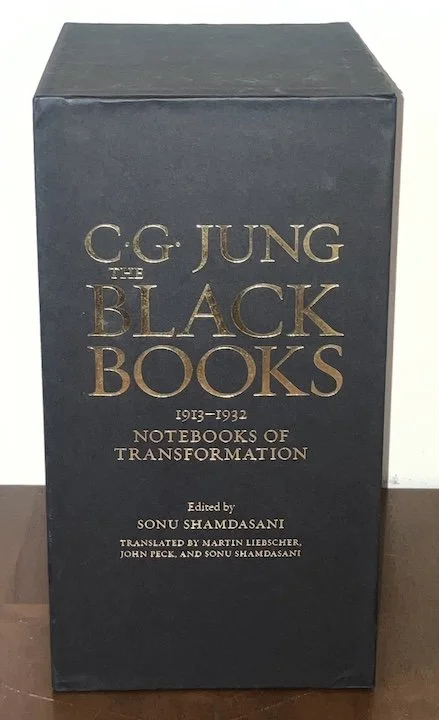
[JUNG, Carl Gustav] The Black Books: 1913-1932, Notebooks of Transformation (7 Volume Set in Slipcase)


[JUNG, Carl Gustav] The Black Books: 1913-1932, Notebooks of Transformation (7 Volume Set in Slipcase)
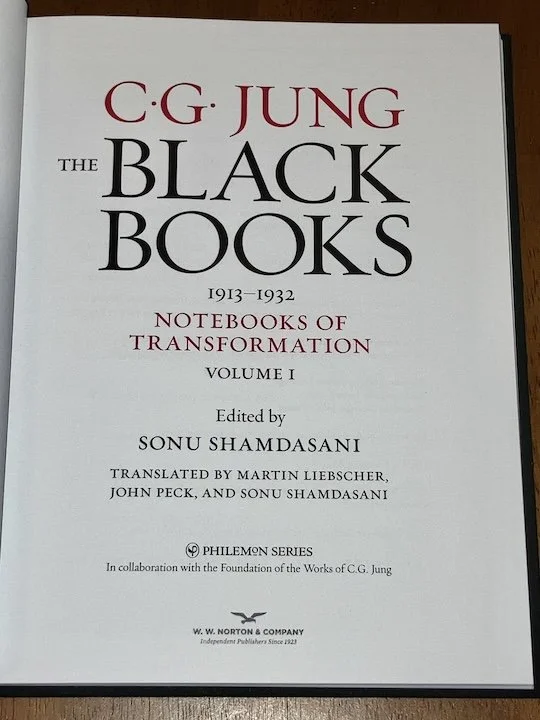
Edited by Sonu Shamdasani; Translated by Martin Liebscher and John Peck
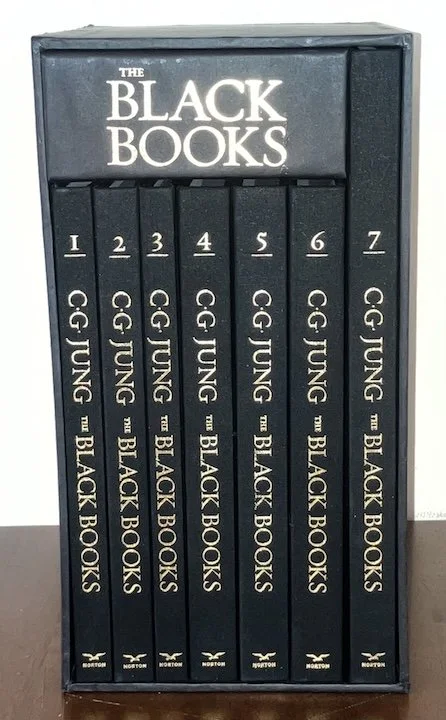
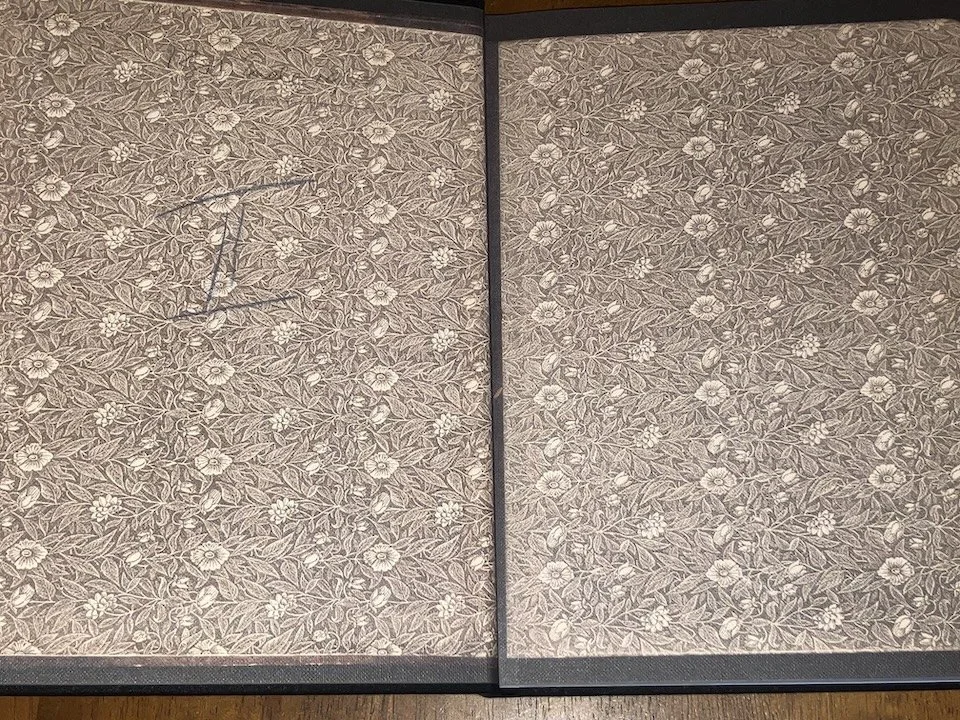
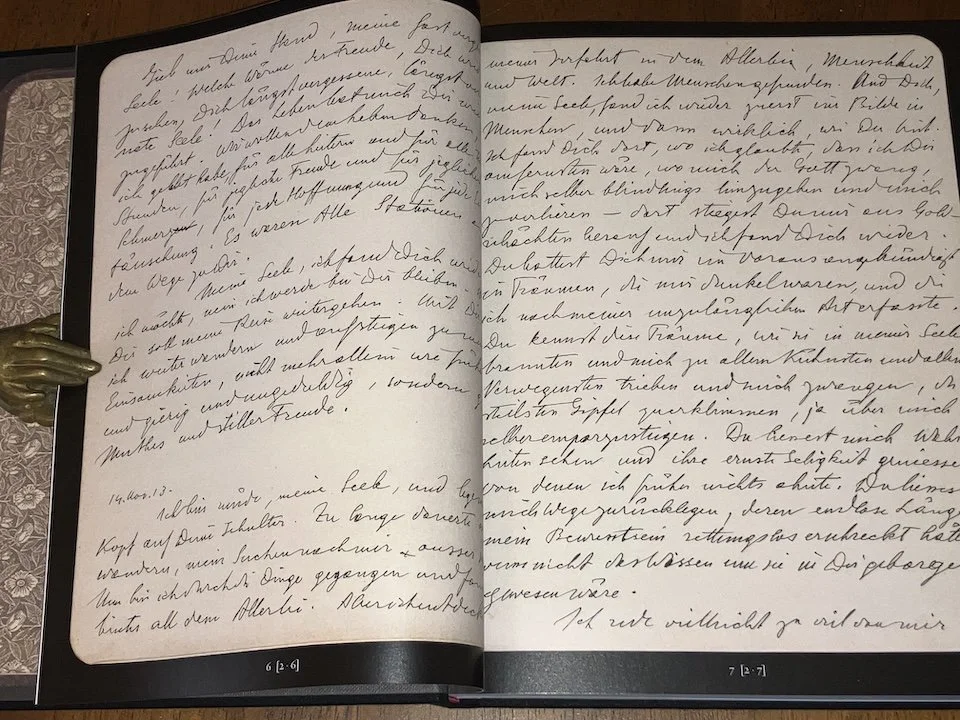
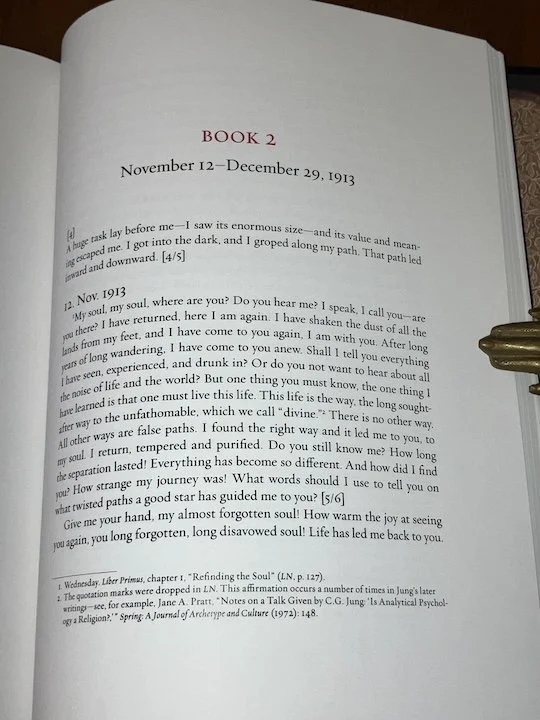
New York: W. W. Norton & Company, 2020. First Edition. Hardcover. 7 volumes. Quartos, housed in a large slipcase. Over 1600 total pages. All volumes bound in black cloth with blind stamped titles to front of each volume and all volumes titled in gilt on spine. The endpapers of volumes 2-7 match the inside covers of each of his original journals (volume 1 endpapers are black). Title pages in red and black. Volume 1 includes an historical introduction and numerous color plates. Volumes 2 through 7 contain facsimiles of Jung's original handwritten journals, in the original German, followed by an English translation. Volume 7 is larger than the other volumes because the original journal was larger. All volumes are in fine condition. The slipcase has a bit of handling wear but remains in near fine condition. A remarkable production, and for a work that was published somewhat recently, this set is now surprisingly difficult to find. NOTE: this is a large and very heavy set of books weighing in at nearly 20 pounds when packaged for shipping. Will ship only within the United States. Additional costs will apply for expedited shipping.
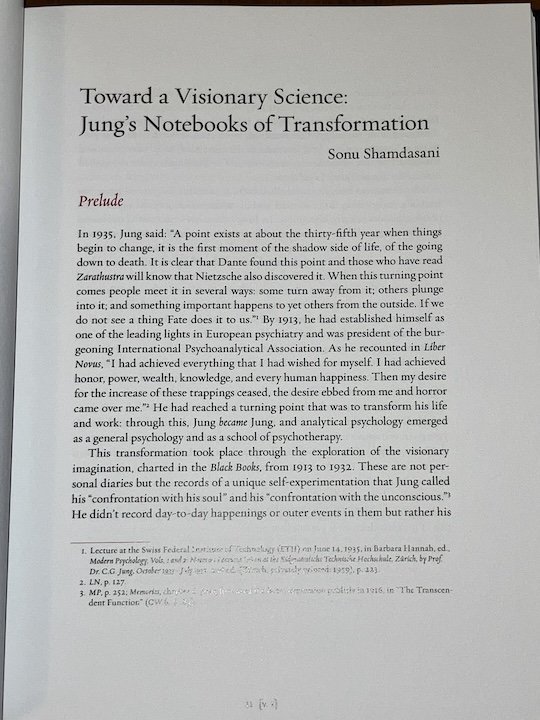
The publication in 2009 of Liber Novus, C. G. Jung’s Red Book, has justly been regarded as a cultural event of historical significance. The publication enabled a new reading of Jung that is just beginning, based for the first time on primary documentation of the most critical creative phase in Jung’s life. The material that Jung did not include in The Red Book is of equal interest to the material that he did include. The Black Books shed light on Jung’s ‘confrontation with the unconscious,’ for which they are the prime documentation, as well as the genesis of The Red Book.
The Black Books are a collection of seven private journals recorded by Carl Jung principally between 1913 and 1932. They have been referred to as the "Black Books" due to the colour of the final five journal covers. The portion of the journal account that is of particular interest begins in the second of the seven journals, on the night of 12 November 1913. Jung's motivation was to conduct a difficult "experiment" on himself consisting of a confrontation with the contents of his mind, paying no heed to the daily occurrences of his ordinary life. The journal entries continue over the following years and fill the next six notebooks. In these notebooks Carl Jung recorded his imaginative and visionary experiences during the transformative period that has been called his "confrontation with the unconscious": an engagement with his fantasies in a waking state. These intimate writings shed light on the further elaboration of Jung’s personal cosmology and his attempts to embody insights from his self- investigation into his life and personal relationships.
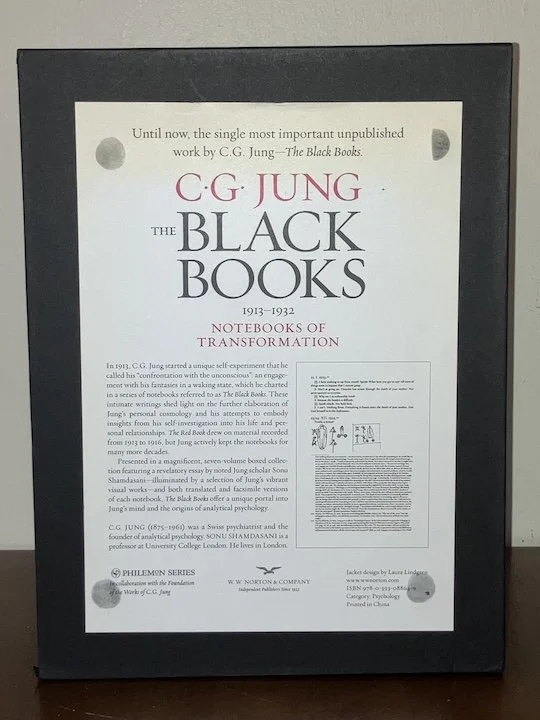
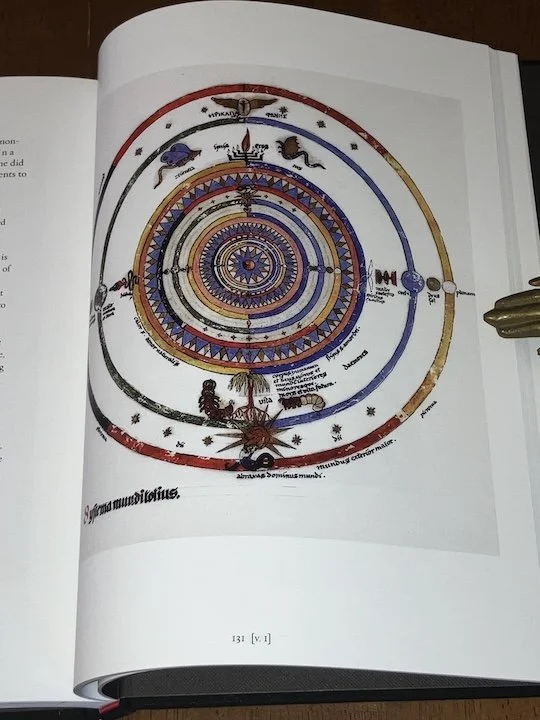
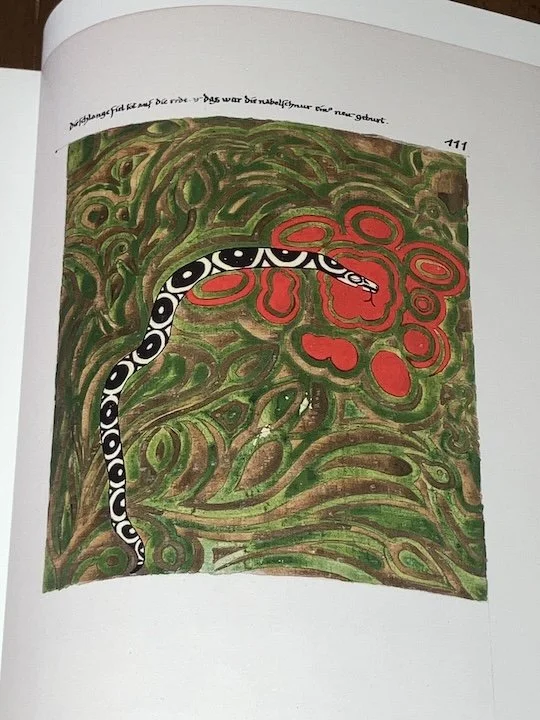
Presented in a magnificent, seven-volume boxed collection featuring a revelatory essay by noted Jung scholar Sonu Shamdasani—illuminated by a selection of Jung’s vibrant visual works—and both translated and facsimile versions of each notebook, The Black Books offer a unique portal into Jung’s mind and the origins of analytical psychology.